 Skip to content
A garage door does not need a repair appointment every time it makes a sound, but it does need regular observation. A simple monthly check and a professional inspection at sensible intervals can reveal changing balance, worn hardware and safety-control problems before they become an emergency.
Denver sun, wind and temperature swings can make existing wear more noticeable, but maintenance should follow the actual door, opener and manufacturer instructions. Use this schedule as a framework, then shorten the interval when the door cycles frequently or begins to change.
Do a brief visual and operating check each month
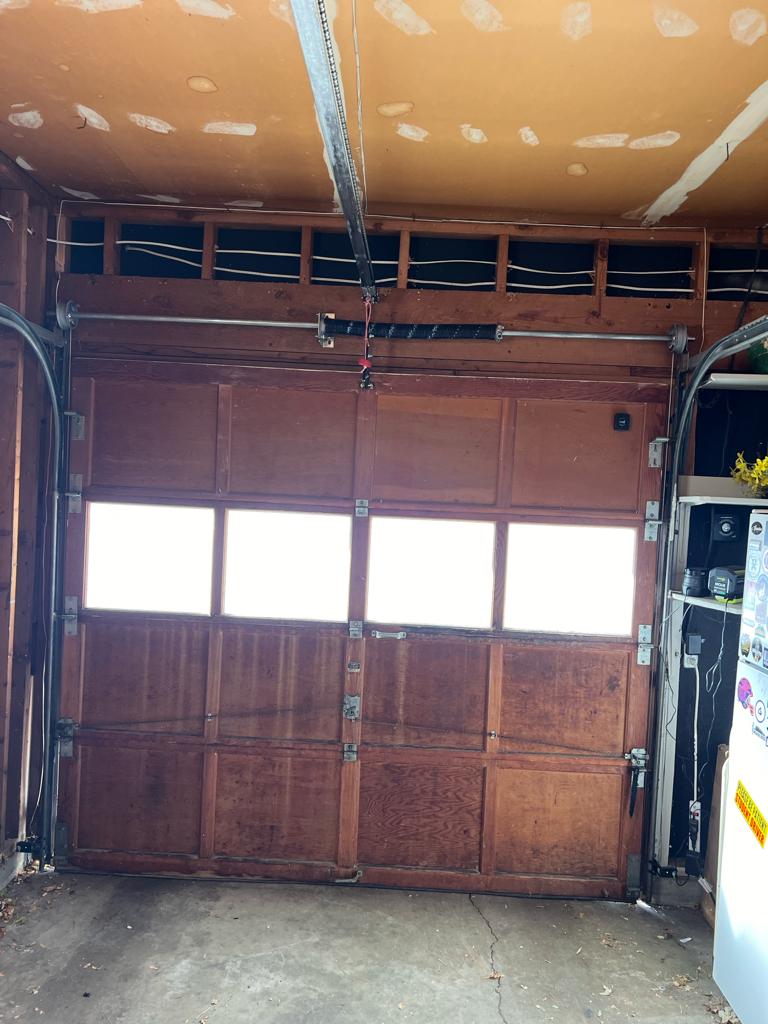
Stand inside the garage and operate the door only while the opening is clear and the system remains stable. Watch whether both sides rise together, listen for a new scrape or pop and note whether the opener slows or strains at one point. A gradual change is easier to recognize when you compare it with normal operation each month.
Look from a safe distance for a visible gap in a torsion spring, a slack or frayed cable, a roller outside the track or a section that no longer sits square. Do not touch loaded hardware. If any of those signs appear, stop cycling the door and arrange service.
Test opener safety features according to the manual
Photo-eye sensors should remain securely mounted, clean and aimed according to the opener manufacturer’s instructions. Clear stored items from the beam path and gently wipe the lenses with a soft dry cloth. Do not bypass the sensors or use the wall control as a permanent workaround for a door that will not close normally.
The U.S. Consumer Product Safety Commission advises monthly testing of the automatic reversal system. Use the exact procedure in the owner manual because instructions can vary by model. If the door does not respond correctly, disconnect or stop using the automatic operator until it has been adjusted, repaired or replaced.
Inspect seals and visible hardware seasonally
Before major weather changes, close the door in daylight and check for new gaps at the bottom and perimeter. Cracked or flattened weatherstrip can admit dust, wind and water, but a wedge-shaped gap may indicate an uneven door or floor rather than a seal problem.
Look for loose non-spring fasteners, worn rollers and hinges that move at their attachment points. Use only manufacturer-approved products at specified lubrication points. Do not coat tracks with heavy grease to hide resistance, and never loosen bottom brackets, cables or spring hardware.
Plan a professional inspection about once a year
The Door & Access Systems Manufacturers Association recommends monthly homeowner safety checks and an annual visit from a trained door systems technician. An annual inspection is a practical baseline for a typical residential door, not a promise that every part will last a full year.
A technician can check door balance, spring condition, cable travel, drums, bearings, rollers, track alignment, opener mounting, limits and safety response. These checks require more than looking at the exterior because several components share the load.
Service sooner when use or conditions are demanding
A door that serves as the household’s main entrance may cycle several times each day. More cycles mean more movement at the springs, rollers, hinges and opener. Schedule an earlier inspection when usage increases, after an impact or when one component has recently failed.
Do not wait for the annual date if the door becomes heavy, crooked, noisy, slow or unreliable. Other reasons to call sooner include a cable that changes position, a panel crease, repeated opener reversal, a new gap under one corner or a safety test that does not pass.
- Stop immediately: loose cable, broken spring, off-track roller or unstable door.
- Schedule promptly: persistent noise, changing speed, rubbing or repeated reversal.
- Monitor and maintain: light seal wear, remote batteries and manufacturer-approved cleaning.
Keep a short maintenance record
Write down the inspection date, unusual sounds, safety-test result and any work completed. Include the opener model and door label when they can be read without approaching damaged hardware. A simple record makes gradual changes easier to describe and helps avoid repeating unnecessary repairs.
Ask for the cause, the completed work and the final operating checks on each service visit. The door should move smoothly, remain properly balanced and allow the opener to guide it without compensating for mechanical resistance.
Maintenance and repair help in Denver
Pine Garage Door can inspect the complete system and separate ordinary maintenance from safety-related repair. Review our Denver garage door repair service, garage door spring information and opener service options. To schedule an inspection, request service online or call (303) 865-5932.
Frequently asked questions
Does every garage door need service once a year?
An annual professional inspection is a useful general baseline, while the correct interval depends on use, equipment, condition and manufacturer guidance. Call sooner when operation changes or a safety concern appears.
What garage door maintenance can a homeowner do?
Homeowners can observe operation, keep the opening and photo eyes clear, clean approved surfaces, inspect seals and follow the manufacturer procedure for safety testing. Springs, cables, bottom brackets and balance adjustments belong with trained technicians.
Should I lubricate the garage door tracks?
Tracks generally should be kept clean rather than coated with heavy grease. Follow the door and opener manufacturer guidance for the specific rollers, hinges, bearings and approved lubrication points.
What is the clearest sign that service should not wait?
A crooked or unusually heavy door, loose cable, visible spring break or roller outside the track is a stop-use condition. Keep the area clear and request professional help.
Safety references: review the CPSC garage door opener safety guidance and DASMA safety tips.